Behind the shimmering curtains and pulsating lights of fashion runways lies an unsung architect of atmosphere: the show music producer. While models and designers claim the spotlight, these sonic maestros work in the shadows, sculpting the emotional landscape of each collection’s debut. Their craft is a delicate alchemy of rhythm, mood, and narrative—transforming fabric and thread into a multisensory experience that can elevate a garment into a story and a runway into a stage for fantasy.
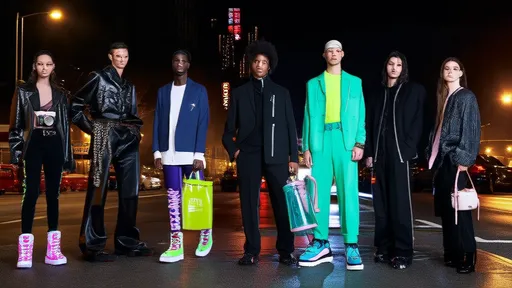
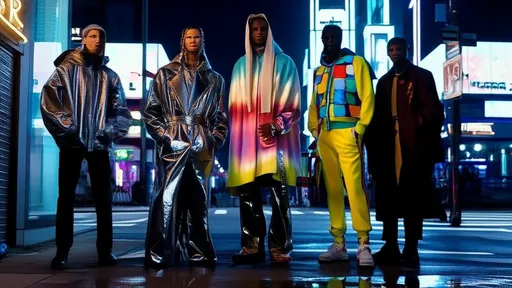
To the uninitiated, the music might seem like a mere backdrop. But in the high-stakes world of fashion, it is anything but. The right soundtrack can define a brand’s identity for the season, communicate a designer’s inspiration, and even influence how the clothes are perceived. A minimalist collection might be paired with sparse, ambient electronics to emphasize its purity and silence. A rebellious, streetwear-inspired line might strut to the gritty beats of underground hip-hop or the raw energy of punk rock. The music producer must not only understand the clothes but also breathe audible life into the designer’s vision.
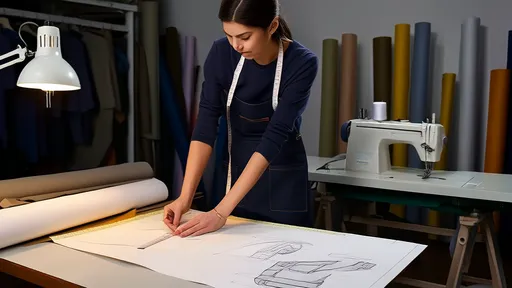
The process often begins months before the show. Producers are brought into the inner sanctum of the design studio, where mood boards, fabric swatches, and early sketches tell a story yet without a voice. These initial conversations are less about specific songs and more about emotion, color, and intention. Is the collection melancholic or euphoric? Is it inspired by 1980s disco or by the quiet of a misty forest? The producer listens, interprets, and begins the hunt for sounds that can translate these abstract concepts into a coherent auditory journey.
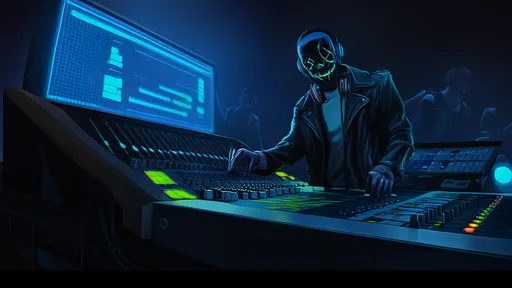
This is where the real artistry begins. Some producers are masterful DJs, curating existing tracks and weaving them into a seamless mix that builds and releases tension throughout the show’s 10- to 15-minute duration. Every transition, every crescendo, is timed to the step of a model or the reveal of a key piece. Others are original composers, crafting bespoke scores from scratch. They might record live musicians, manipulate field recordings, or build complex electronic soundscapes entirely in the box. The goal is always the same: to create something unique that cannot be heard anywhere else, a sonic signature for that specific moment in fashion.
Technical precision is non-negotiable. The show producer works in lockstep with the show’s director, choreographer, and lighting designer. A mis-timed cue or a poorly leveled track can throw off a model’s pace, disrupt a lighting change, and shatter the carefully constructed illusion. Rehearsals are critical, often involving painstaking sound checks in the actual venue to account for its acoustics. The producer must anticipate everything from the rustle of taffeta to the murmur of the front-row audience, ensuring the music cuts through with perfect clarity and impact.
Yet, for all the technical demands, the greatest challenge is often emotional and psychological. The producer must be a chameleon, adapting to the wildly different sensibilities of various designers. One day, they might be channeling dark, cinematic tension for an avant-garde Parisian house; the next, they could be crafting something ethereal and romantic for a bridal show in Milan. This requires not just musical versatility, but also deep empathy and an almost psychic ability to understand a creator’s unspoken desires.
The pressure is immense. With the eyes (and ears) of the industry’s most critical tastemakers upon them, the music producer knows that a poorly received soundtrack can overshadow the clothes themselves. But when they succeed, the result is magic. The music ceases to be a separate element and instead fuses with the visuals, the models’ movements, and the energy of the room to create a powerful, unforgettable moment. It’s the feeling of collective awe when a beat drops in perfect sync with the reveal of the finale piece—a testament to the invisible hand guiding the show’s very soul.
In an era where fashion shows are increasingly spectacles streamed to a global audience, the role of the music producer has only grown more complex and vital. They are no longer just scoring for a physical room but for microphones and cameras, knowing that the audio must be equally compelling through a smartphone speaker as it is through a massive PA system. They are historians, tapping into musical nostalgia; they are futurists, experimenting with the latest sonic trends; and above all, they are essential collaborators—the hidden conductors of fashion’s most thrilling performances.
So the next time you find yourself captivated by a runway show, take a moment to listen. Behind the cut of a jacket and the sway of a skirt, there is a heartbeat. It’s a rhythm composed by a master, a narrative built in notes and frequencies—the undeniable work of the show music producer, the true操盘手 of the T台’s atmosphere.
By /Aug 21, 2025
By /Aug 21, 2025
By /Aug 21, 2025
By /Aug 21, 2025
By /Aug 21, 2025
By /Aug 21, 2025
By /Aug 21, 2025

By /Aug 21, 2025
By /Aug 21, 2025
By /Aug 21, 2025

By /Aug 21, 2025
By /Aug 21, 2025
By /Aug 21, 2025
By /Aug 21, 2025
By /Aug 21, 2025
By /Aug 21, 2025
By /Aug 21, 2025
By /Aug 21, 2025

By /Aug 21, 2025

By /Aug 21, 2025
