The Paradox of the Korean Market: Protection of Local Brands and Invasion of Global Brands

Aug 21, 2025 By

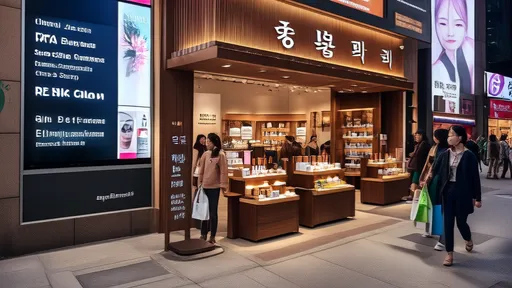
In the bustling streets of Seoul, a curious consumer phenomenon unfolds daily. Shoppers clutch cups of Starbucks iced coffee while scrolling on Samsung smartphones, then head into Hyundai department stores to browse imported luxury handbags—only to later gather at local barbecue joints serving homegrown soju and hanwoo beef. This juxtaposition of global brands and fiercely protected local products encapsulates what analysts have termed the Korean Market Paradox: a simultaneous embrace of international commerce and vigorous defense of domestic industries.

South Korea presents a fascinating case study in economic duality. On one hand, it stands as one of Asia's most globalized economies, home to multinational giants like Samsung, Hyundai, and LG that dominate international markets. On the other, it maintains remarkably strong protections for its agricultural sectors, traditional industries, and cultural products. This balancing act has created a marketplace where global brands must navigate complex cultural and regulatory landscapes while domestic companies enjoy significant government support even as they compete on the world stage.

The roots of this paradox stretch deep into Korea's modern history. Following the Korean War, the government implemented aggressive protectionist policies to rebuild devastated domestic industries. The Chaebol system—large family-controlled conglomerates—received substantial state support to develop manufacturing capabilities. These policies proved remarkably successful, transforming Korea from an aid recipient to an economic powerhouse within decades. Yet as Korea's export-oriented economy grew, it necessarily opened to foreign investment and imports, creating the foundation for today's mixed market reality.

Nowhere is the paradox more visible than in Korea's food sector. The government maintains extraordinary protections for rice farmers, with tariffs exceeding 500% on imported rice to protect the culturally significant staple. Yet Korean consumers readily embrace imported beef, coffee, and wines, with Costco and Starbucks becoming ubiquitous. The average Seoulite might eat Korean-grown rice with American beef for dinner, then enjoy French wine afterward—a perfect illustration of selective protectionism coexisting with globalized tastes.

The automotive market reveals another dimension of this duality. Hyundai and Kia dominate domestic sales, supported by consumer patriotism and government policies that favor domestic manufacturers. Yet imported luxury vehicles from Germany's BMW and Mercedes-Benz have gained significant market share among affluent consumers, representing status and sophistication. Rather than resisting this incursion, Korean automakers have responded by elevating their own luxury offerings, such as Genesis, creating improved products through competitive pressure.

Technology and entertainment sectors demonstrate how the paradox can drive innovation. Korean companies like Samsung and LG compete directly with Apple yet manufacture components for their competitors. Meanwhile, K-pop and Korean dramas have become global phenomena while maintaining distinctly Korean characteristics. The government's substantial investments in cultural exports through organizations like KOCCA show how protectionism and globalization can work synergistically—protecting cultural identity while aggressively pursuing international market share.

Consumer behavior studies reveal how nationalism and globalism coexist in purchasing decisions. Many Koreans demonstrate strong patriotic preferences for domestic products, particularly in categories with cultural significance like food, cosmetics, and automobiles. Yet they simultaneously embrace global brands that offer perceived quality, status, or novelty. This isn't perceived as contradictory but rather as exercising different values in different contexts—supporting local industries when it matters culturally while participating in global consumer trends when it serves personal interests.

The government walks a careful line in maintaining this balance. Free trade agreements have gradually opened markets while exceptions protect sensitive sectors. Regulations sometimes favor domestic companies subtly through standards and certifications that align better with local practices. Meanwhile, substantial resources flow to promoting Korean culture and products abroad through organizations like KOTRA, simultaneously protecting the home market while expanding international presence.

Global brands entering Korea face unique challenges within this paradoxical environment. Success requires more than just quality products—it demands cultural sensitivity, adaptation to local preferences, and sometimes partnerships with Korean companies. Starbucks succeeded by incorporating local flavors and seasonal offerings tailored to Korean tastes. Walmart failed by attempting to transplant its American model unchanged. The lesson for multinational corporations is clear: respect for Korean identity and customs proves essential for market penetration.

Looking forward, the Korean Market Paradox appears sustainable rather than contradictory. The system creates competitive pressure that drives innovation in domestic industries while allowing consumers to enjoy global products. Korean companies become stronger through competing with world-class firms at home before expanding abroad. Consumers benefit from both the security of protected cultural touchstones and the variety of international offerings. This model has contributed significantly to Korea's economic resilience and cultural vitality.

Other nations might learn from Korea's approach to balancing globalization and protectionism. Complete market openness risks overwhelming local industries and cultural distinctiveness, while extreme protectionism leads to stagnation and isolation. Korea's selective, strategic approach—protecting core industries while embracing global competition in others—offers a middle path that preserves national identity while participating fully in the global economy. As international trade tensions continue to evolve, this balanced approach may become increasingly relevant worldwide.

Ultimately, the Korean Market Paradox reflects a sophisticated understanding that globalization and cultural preservation need not be mutually exclusive. Through careful policy and adaptive business strategies, Korea has created an ecosystem where local brands gain strength from global competition while maintaining protected spaces for culturally vital industries. This dynamic tension continues to drive innovation, consumer choice, and economic growth—making Korea's market both uniquely Korean and thoroughly global simultaneously.
Recommend Posts
Fashion

10 Non-Traditional Influencers Fashion Enthusiasts Must Follow

By /Aug 21, 2025

In the ever-evolving landscape of fashion, the traditional gatekeepers of style have been gracefully dethroned by a new wave of non-traditional influencers. These individuals are not merely trend followers; they are the architects of new aesthetics, the narrators of personal style stories, and the champions of sartorial authenticity. They operate outside the glossy pages of mainstream magazines, instead cultivating their unique perspectives through digital platforms, niche communities, and a raw, unfiltered approach to personal expression. Their influence is profound, not measured in mere follower counts, but in their ability to spark conversations, challenge norms, and inspire a more inclusive and thoughtful engagement with fashion.
Fashion

Pearls' Transformation: From Traditional Jewelry to Streetwear Mix-and-Match

By /Aug 21, 2025

Pearls have long been associated with a sense of timeless elegance, often reserved for formal occasions and passed down as heirlooms. For generations, they adorned the necks of royalty, the wrists of brides, and the ears of society's elite, symbolizing purity, wealth, and a classic aesthetic. This traditional image, however, is undergoing a radical transformation. No longer confined to ballrooms and black-tie events, pearls are boldly stepping onto the urban pavement, seamlessly integrating into the vibrant and rebellious world of street style.
Fashion

10 Non-Traditional Fashion Influencers Every Fashion Enthusiast Should Follow

By /Aug 21, 2025

In the ever-evolving landscape of fashion, the definition of an influencer has dramatically shifted. Beyond the glossy magazine spreads and runway shows, a new breed of style arbiters has emerged—individuals who defy conventional norms and redefine what it means to be a fashion authority. These non-traditional opinion leaders are not merely trend followers; they are cultural commentators, activists, and artists who use clothing as a medium for expression and change. Their influence stretches far beyond aesthetics, touching on issues of sustainability, identity politics, and digital innovation. For any serious fashion enthusiast, understanding and following these voices is no longer optional—it's essential to grasping the future of style.
Fashion

5 Timeless Wardrobe Essentials Worth Investing In and How to Choose Them

By /Aug 21, 2025

In the ever-shifting landscape of fashion, where trends flicker and fade with the seasons, there exists a more permanent class of garments. These are the pieces that transcend the noise, the ones that form the unshakable foundation of a truly intentional wardrobe. Investing in such items is not merely a purchase; it is a commitment to style over fashion, to quality over quantity, and to a personal aesthetic that endures. The true value of these items lies not in their logo or their momentary relevance, but in their impeccable cut, their superior materials, and their timeless design. They are the silent workhorses that, when chosen wisely, will serve you impeccably for decades, outliving countless transient trends.
Fashion

10 Actionable Steps to Build a Sustainable Wardrobe

By /Aug 21, 2025

In an era of fast fashion and disposable clothing, the concept of building a sustainable wardrobe has transitioned from niche interest to essential practice. The environmental and ethical implications of our clothing choices are too significant to ignore, yet many find the shift toward sustainability daunting. The good news is that creating an eco-conscious closet doesn't require a complete overnight overhaul. It is a thoughtful, ongoing process of making more intentional choices, one garment at a time. This journey is about developing a deeper relationship with your clothes, understanding their origins, and ultimately cultivating a personal style that is both authentic and responsible.
Fashion

10 Films That Influenced Contemporary Style

By /Aug 21, 2025

In the ever-evolving landscape of cinema, costume design remains one of the most potent yet understated narrative tools, silently shaping characters and defining eras. The visual language of film fashion transcends mere aesthetics; it becomes a cultural timestamp, influencing not only what audiences see on screen but also what they wear in their daily lives. From the sleek minimalism of dystopian futures to the opulent extravagance of period dramas, contemporary style continues to draw profound inspiration from the silver screen. The dialogue between fashion designers and costume artists has never been more dynamic, creating a symbiotic relationship that blurs the lines between reel and real life.
Fashion

5 Books That Transformed the Careers of Fashion Journalists

By /Aug 21, 2025

In the ever-evolving world of fashion journalism, certain literary works have profoundly shaped the careers and perspectives of those who document this vibrant industry. These books serve not merely as references but as transformative guides that redefine how fashion is perceived, critiqued, and narrated. For many seasoned fashion journalists, these texts are foundational, offering insights that extend beyond trends and into the cultural, historical, and psychological underpinnings of style. They are the silent mentors on the shelves, whose pages have been dog-eared and annotated by professionals seeking depth in a field often mischaracterized as superficial.
Fashion

The Passion of Latin America: How Colors and Craftsmanship Go Global

By /Aug 21, 2025

In the bustling markets of Oaxaca, where the air hums with the rhythm of artisans at work, a vibrant tapestry of Latin American creativity unfolds. The vivid hues of handwoven textiles, the intricate patterns of ceramic ware, and the soulful craftsmanship of wooden carvings are not merely products; they are stories woven into the very fabric of a culture known for its passion and warmth. For decades, these artisanal treasures remained largely confined to local communities, cherished but unseen by the wider world. Today, however, they are embarking on a remarkable journey onto the global stage, capturing hearts and imaginations far beyond their origins.
Fashion

The Paradox of the Korean Market: Protection of Local Brands and Invasion of Global Brands

By /Aug 21, 2025

In the bustling streets of Seoul, a curious consumer phenomenon unfolds daily. Shoppers clutch cups of Starbucks iced coffee while scrolling on Samsung smartphones, then head into Hyundai department stores to browse imported luxury handbags—only to later gather at local barbecue joints serving homegrown soju and hanwoo beef. This juxtaposition of global brands and fiercely protected local products encapsulates what analysts have termed the Korean Market Paradox: a simultaneous embrace of international commerce and vigorous defense of domestic industries.
Fashion

Globalization of African Fashion: Beyond Wax Prints, What Else?

By /Aug 21, 2025

In recent years, the global fashion landscape has witnessed a remarkable infusion of African aesthetics, moving far beyond the widely recognized wax prints that once dominated international perceptions. While Dutch wax fabric, often misattributed as solely African, remains a staple in discussions of the continent’s sartorial exports, a deeper and more diverse narrative is unfolding. Designers, artisans, and cultural advocates are bringing a rich array of textiles, techniques, and traditions to the forefront of global runways, retail spaces, and street style, challenging monolithic views and celebrating the continent’s vast creative diversity.
Fashion

The Rise of Southeast Asian Style: The Commercial Potential of Tropical Prints and Vacation Trends

By /Aug 21, 2025

The sultry allure of Southeast Asia has long captivated travelers, but its aesthetic influence is now making significant inroads into global commerce. The region's distinctive design ethos—characterized by lush tropical prints, relaxed silhouettes, and an unmistakable vacation vibe—is no longer confined to resort wear or niche boutiques. From high-fashion runways to mainstream retail, the commercial potential of this style is being recognized and harnessed with increasing sophistication. This isn't merely a seasonal trend; it's a reflection of deeper cultural currents and shifting consumer desires that prioritize experience, authenticity, and a connection to nature.
Fashion

Middle East Market Insights: Design Innovations in Luxury Headscarves and Abayas

By /Aug 21, 2025

The Middle Eastern luxury fashion market is witnessing a remarkable transformation, particularly in the realm of traditional attire where innovation meets heritage. The abaya and headscarf, once symbols of modesty defined by simplicity, are now at the forefront of sartorial evolution, blending cultural reverence with contemporary design sensibilities. Designers across the region are reimagining these garments, not as static relics of the past, but as dynamic canvases for artistic expression and technical prowess.
Fashion

Fashion Sample Maker: The Key Role in Transforming Design Sketches into Physical Garments

By /Aug 21, 2025

In the bustling ateliers and design houses where fashion comes to life, there exists a pivotal yet often unsung role that bridges the gap between creative vision and tangible reality: the fashion sample maker. These skilled artisans are the vital link in the transformation of a designer's two-dimensional sketch into a three-dimensional garment, a process that is both an art and a science. Without their expertise, the most breathtaking designs would remain confined to the pages of a sketchbook, never to grace a runway or a retail rack.
Fashion

Fashion Show Music Producer: The Puppet Master Behind the T-Stage Atmosphere

By /Aug 21, 2025

Behind the shimmering curtains and pulsating lights of fashion runways lies an unsung architect of atmosphere: the show music producer. While models and designers claim the spotlight, these sonic maestros work in the shadows, sculpting the emotional landscape of each collection’s debut. Their craft is a delicate alchemy of rhythm, mood, and narrative—transforming fabric and thread into a multisensory experience that can elevate a garment into a story and a runway into a stage for fantasy.
Fashion

Photographer's Vision of Fashion: How to Shape Brand Image with the Lens?

By /Aug 21, 2025

In the world of fashion, where aesthetics and identity intertwine, the photographer stands as a silent yet powerful architect of brand perception. Far beyond merely capturing garments on a model, the lens becomes a storyteller, a curator of mood, and ultimately, a sculptor of the brand's very soul. The relationship between fashion photography and brand identity is not merely transactional; it is a deeply symbiotic dance where light, shadow, composition, and context coalesce to create an indelible image in the consumer's mind.
Fashion

Where Do Stylists Source So Many Clothes?

By /Aug 21, 2025

In the dazzling world of fashion, where runway shows and celebrity appearances set trends overnight, one might wonder how stylists manage to consistently dress their clients in the latest and most exclusive designs. The answer lies in a complex, behind-the-scenes ecosystem of borrowing, lending, and relationship-building that fuels the industry. Far from simply purchasing garments, stylists operate within a network of showrooms, PR agencies, designers, and brands that enable them to access vast collections of clothing and accessories, often for a limited time. This system is the lifeblood of fashion styling, allowing for the constant visual innovation we see on red carpets, in magazines, and on social media.
Fashion

A Day in the Life of a Fashion Editor: Between Editorial Meetings and Fashion Shows

By /Aug 21, 2025

The alarm shrieks at 5:45 AM. For a fashion editor, this is not an act of cruelty but a necessity. The day does not begin with a slow sip of coffee and a perusal of the news; it begins with a deluge. Emails from Milan, texts from a photographer in Paris, notifications from a PR agency in New York—the global fashion machine never sleeps, and neither, it seems, do its chroniclers. The phone is an extension of the hand, a live wire buzzing with the energy of an industry perpetually in motion. Before the first light has properly filtered through the blinds, the mind is already racing, cataloging, prioritizing. Which show is the absolute must-see? Which emerging designer’s presentation clashes with a crucial fitting? The schedule is a complex, living document, a mosaic of appointments, shows, and meetings that will be torn up and rewritten a dozen times before lunch.
Fashion

The Future of Custom 3D Printing: The Ultimate Form of Tailoring?

By /Aug 21, 2025

In the not-so-distant past, the idea of creating a perfectly tailored suit, a custom-fitted prosthetic limb, or a uniquely designed piece of furniture from a digital file seemed like pure science fiction. Today, it is an emerging reality, thanks to the rapid and relentless advancement of additive manufacturing, more commonly known as 3D printing. This technology is quietly orchestrating a revolution in customization, promising a future where mass production gives way to mass personalization, and the concept of "one size fits all" becomes a relic of a bygone era. We are standing at the precipice of a new industrial and consumer paradigm, moving towards what can be termed the ultimate form of bespoke creation: a world literally shaped to fit the individual.
Fashion

Digital Identity and Fashion: How Do Game Skins Influence Real-Life Outfits?

By /Aug 21, 2025

The pixelated runway has begun casting shadows far beyond the screen. What started as a simple cosmetic layer in video games—a ‘skin’ to customize a character—has quietly evolved into a potent cultural force, subtly shaping the fabric of real-world fashion and the very concept of personal identity. This is not merely about gamers wearing branded hoodies; it is a complex, bidirectional flow of aesthetics, values, and self-expression between the digital and the physical self.
Fashion

Social Shopping: How 'See Now, Buy Now' Technology is Changing Impulse Buying?"

By /Aug 21, 2025

The digital marketplace has undergone a profound transformation with the advent of social shopping, a paradigm where commerce and social media converge to create a seamless, instantaneous purchasing experience. At the heart of this revolution lies the "see it, buy it" technology, which has fundamentally altered consumer behavior, particularly in the realm of impulse buying. This technology erases the traditional barriers between discovery and acquisition, turning casual scrolling into a potential shopping spree with a single tap. The implications for retailers, marketers, and consumers are vast, reshaping not only how we shop but also why we make spontaneous purchases in the digital age.