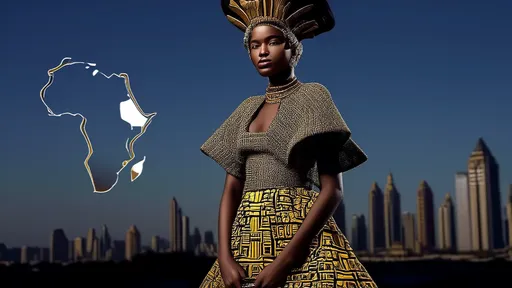
In recent years, the global fashion landscape has witnessed a remarkable infusion of African aesthetics, moving far beyond the widely recognized wax prints that once dominated international perceptions. While Dutch wax fabric, often misattributed as solely African, remains a staple in discussions of the continent’s sartorial exports, a deeper and more diverse narrative is unfolding. Designers, artisans, and cultural advocates are bringing a rich array of textiles, techniques, and traditions to the forefront of global runways, retail spaces, and street style, challenging monolithic views and celebrating the continent’s vast creative diversity.
One of the most significant contributions to this movement is the elevation of Kente cloth, originating from the Ashanti and Ewe peoples of Ghana. Historically reserved for royalty and special occasions, Kente is characterized by its vibrant, intricate patterns, each with specific meanings and stories woven into every strip. Unlike wax print, which is industrially produced, authentic Kente is handwoven on looms, making each piece a unique artifact of cultural heritage. Global designers have incorporated Kente into haute couture collections, while celebrities and public figures have donned it at high-profile events, signaling prestige and paying homage to its artisanal value. However, this adoption has not been without controversy, as debates around cultural appropriation versus appreciation emphasize the need for respectful engagement and acknowledgment of its origins.
Similarly, Mudcloth, or Bògòlanfini, from Mali has carved out a substantial niche in international markets. Traditionally dyed with fermented mud and plant extracts, this cotton fabric features striking geometric patterns that convey cultural symbols and historical narratives. In the global sphere, mudcloth has transcended its traditional uses, appearing not only in clothing but also in home décor, accessories, and even collaborative luxury collections. Its earthy tones and distinctive designs resonate with a growing consumer desire for authenticity and storytelling in products, driving its popularity from boutique stores to major retail chains.
Another textile gaining traction is Adire, a resist-dyed cloth from the Yoruba people of Nigeria. Using techniques such as tie-dyeing or starch resist, artisans create elaborate patterns that are both visually captivating and culturally significant. Contemporary Nigerian designers have been instrumental in modernizing Adire, integrating it into contemporary silhouettes that appeal to a global audience. This fusion of traditional craft with modern design sensibilities has made Adire a favorite among fashion influencers and designers seeking to merge heritage with innovation.
Beyond textiles, African fashion globalization is evident in the embrace of beadwork and embroidery from various regions. The Maasai of Kenya and Tanzania, for instance, are renowned for their intricate beadwork, which adorns jewelry, garments, and accessories. Each color and pattern holds cultural significance, often related to social status, age, or community identity. International fashion houses have collaborated with Maasai artisans, incorporating these elements into collections that highlight craftsmanship while providing economic opportunities for local communities. Such partnerships underscore a shift towards ethical fashion, where cultural exchange is coupled with fair trade practices.
Accessories also play a pivotal role in this narrative. The Ghanaian slipper, known as Ahenema, has found its way into global fashion consciousness. These colorful, wooden-heeled sandals, traditionally worn by royalty, are now reimagined by designers and embraced by fashion enthusiasts worldwide for their bold aesthetics and cultural resonance. Likewise, jewelry made from materials like recycled glass, brass, or recycled paper beads from Uganda and Kenya appeals to eco-conscious consumers looking for sustainable yet stylish options.
The rise of African designers on international platforms has been crucial in driving this diversification. Figures like Ozwald Boateng, who revolutionized British tailoring with his Ghanaian-inspired vibrancy, or Deola Sagoe, known for her innovative use of Nigerian fabrics, have paved the way for a new generation. Labels such as Maki Oh (Nigeria), Christie Brown (Ghana), and Laduma Ngxokolo (South Africa) are regularly featured in global fashion weeks and publications, showcasing collections that blend local traditions with contemporary trends. Their success challenges the outdated notion that African fashion is a monolithic entity, instead highlighting its dynamism and relevance.
Social media and e-commerce have accelerated this globalization, allowing designers to reach audiences directly without traditional gatekeepers. Platforms like Instagram showcase emerging trends from Lagos to Nairobi, while online marketplaces facilitate the purchase of authentic African designs worldwide. This digital democratization has enabled a more nuanced representation of African creativity, moving beyond stereotypes to highlight individuality and innovation.
Nevertheless, the globalization of African fashion is not without its challenges. Issues of cultural appropriation remain prevalent, where designs are copied without credit or compensation to originating communities. Moreover, the demand for authentic textiles sometimes leads to mass production that undermines traditional methods and artisanship. Balancing commercial success with cultural integrity requires conscious efforts from all stakeholders—designers, consumers, and corporations—to ensure that appreciation does not become exploitation.
In conclusion, while wax print undoubtedly played a foundational role in introducing African aesthetics to the world, the current landscape is richly layered with diverse textiles, techniques, and talents. From the handwoven brilliance of Kente and the earthy elegance of Mudcloth to the contemporary adaptations of Adire and the artisanal beauty of beadwork, African fashion’s global journey is one of depth and evolution. As the industry continues to embrace these elements, it fosters a more inclusive and authentic dialogue between African heritage and global fashion, promising a future where cultural diversity is not just trended but treasured.

By /Aug 21, 2025

By /Aug 21, 2025
By /Aug 21, 2025

By /Aug 21, 2025

By /Aug 21, 2025

By /Aug 21, 2025

By /Aug 21, 2025
By /Aug 21, 2025

By /Aug 21, 2025
By /Aug 21, 2025

By /Aug 21, 2025
By /Aug 21, 2025

By /Aug 21, 2025

By /Aug 21, 2025

By /Aug 21, 2025

By /Aug 21, 2025

By /Aug 21, 2025

By /Aug 21, 2025

By /Aug 21, 2025

By /Aug 21, 2025
