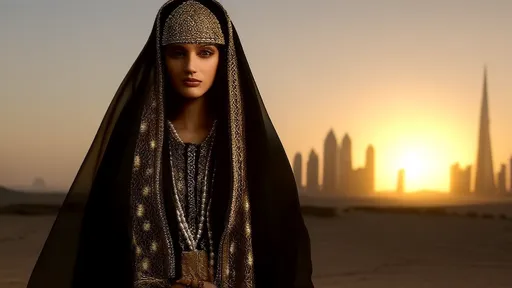
The Middle Eastern luxury fashion market is witnessing a remarkable transformation, particularly in the realm of traditional attire where innovation meets heritage. The abaya and headscarf, once symbols of modesty defined by simplicity, are now at the forefront of sartorial evolution, blending cultural reverence with contemporary design sensibilities. Designers across the region are reimagining these garments, not as static relics of the past, but as dynamic canvases for artistic expression and technical prowess.
In the heart of Dubai's Design District and Riyadh's burgeoning fashion weeks, a new generation of designers is challenging conventions. The classic black abaya, a staple for generations, is being reinterpreted through a lens of bold experimentation. We are seeing a departure from monochrome austerity towards a celebration of color, texture, and form. Design houses are incorporating intricate digital prints inspired by Islamic geometry, delicate floral motifs reminiscent of Persian miniatures, and even abstract, modern art influences. The silhouette itself is undergoing a radical shift, moving beyond the traditional loose-fitting cloak to include tailored cuts, cape-like structures, and even elements inspired by global haute couture, such as dramatic trains and structured shoulders.
Parallel to this, the humble headscarf, or hijab, is experiencing its own renaissance. Luxury is being defined not just by the fabric—where sumptuous silks, chiffons, and even sustainable organic cottons are becoming standard—but by the details. Design innovation here is meticulous. We are seeing the incorporation of hidden magnetic closures for a seamless look, pre-stitched pleats and folds that create volume and shape without effort, and delicate hand-embroidered edges featuring Swarovski crystals or gold thread. These are no longer mere accessories; they are statement pieces designed to complement the modern modest wardrobe, offering both functionality and high fashion.
The driving force behind this innovation is a powerful and discerning consumer base. The modern Middle Eastern woman is globally connected, digitally native, and possesses a refined aesthetic. She demands garments that honor her cultural and religious identity while simultaneously allowing for personal style and individuality. She seeks exclusivity, quality, and storytelling in her purchases. This consumer is not passive; her preferences directly influence design directions, pushing brands to constantly innovate while maintaining authenticity and respect for tradition. She is the reason why limited-edition collections and bespoke, made-to-order abayas are thriving segments within the luxury market.
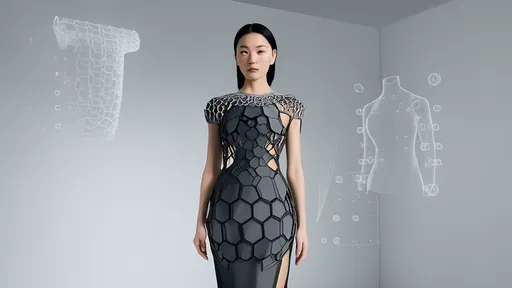
Technology is acting as a significant catalyst in this design revolution. From 3D prototyping that allows for perfect fit and dramatic new shapes to advanced fabric technologies that offer temperature regulation—a critical factor in the Gulf climate—innovation is deeply embedded in the process. E-commerce and social media, particularly visually-driven platforms like Instagram and Pinterest, have become indispensable tools. They serve as global showrooms, allowing designers to reach an international audience of modest fashion enthusiasts and creating communities around specific brands and styles. This digital ecosystem fuels trends at an unprecedented pace and allows for direct feedback and engagement.
Sustainability, a concern gaining traction globally, is also beginning to weave its way into the narrative of luxury abayas and headscarves. A growing cohort of designers and consumers is questioning the environmental footprint of fashion. This is sparking interest in natural dyes, recycled fabrics, and production processes that prioritize ethical sourcing and waste reduction. While still an emerging trend, it represents the next frontier of innovation, aligning the region's luxury market with broader global values and ensuring its relevance for the future.
Ultimately, the innovation in luxury abayas and headscarves is about more than just aesthetics; it is a powerful form of cultural narrative. Each embroidered pattern, each new silhouette, and each choice of fabric tells a story of a region that is confidently embracing its future without forgetting its past. It challenges outdated perceptions and showcases a vibrant, evolving identity. The Middle Eastern luxury market, through the lens of these iconic garments, is demonstrating that tradition and innovation are not opposing forces but can be beautifully and seamlessly intertwined, creating a unique and influential voice in the global fashion conversation.
By /Aug 21, 2025
By /Aug 21, 2025
By /Aug 21, 2025
By /Aug 21, 2025
By /Aug 21, 2025

By /Aug 21, 2025
By /Aug 21, 2025
By /Aug 21, 2025
By /Aug 21, 2025
By /Aug 21, 2025
By /Aug 21, 2025
By /Aug 21, 2025
By /Aug 21, 2025

By /Aug 21, 2025

By /Aug 21, 2025
By /Aug 21, 2025
By /Aug 21, 2025
By /Aug 21, 2025

By /Aug 21, 2025

By /Aug 21, 2025
