In the world of jewelry photography, capturing the true essence of a piece requires more than just a high-resolution camera and good lighting. One of the most challenging aspects is controlling unwanted reflections that can obscure the intricate details and brilliance of gemstones and metals. This is where circular polarizing light control comes into play, offering photographers a powerful tool to enhance their shots.
Reflections are both a blessing and a curse in jewelry photography. While they can add depth and sparkle, uncontrolled reflections often distort the appearance of the piece, making it look messy or unclear. Traditional lighting setups struggle with this balance, especially when dealing with highly reflective surfaces like gold, platinum, or faceted diamonds. The solution lies in understanding and manipulating polarized light.
A circular polarizer works by filtering light waves that vibrate in a specific direction, effectively reducing glare and reflections from non-metallic surfaces. Unlike linear polarizers, circular polarizers are compatible with modern autofocus systems, making them indispensable for jewelry photographers. When placed correctly in front of the lens or light source, it allows only the desired reflections to pass through, creating a cleaner, more professional image.
The science behind this technique is fascinating. Natural and artificial light sources emit waves that vibrate in all directions. When these waves hit a reflective surface, they bounce off in a polarized manner, often creating harsh highlights. By rotating the polarizing filter, photographers can selectively block these polarized reflections, revealing the true texture and color of the jewelry beneath.
Implementing circular polarizing light control requires careful setup. The angle of the light source, the position of the polarizing filter, and the orientation of the jewelry piece all play crucial roles. For instance, shooting at a 30 to 40-degree angle to the subject often yields the best results, as it minimizes direct reflections while maintaining the stone’s fire and brilliance. Additionally, using a diffused light source in combination with the polarizer can soften shadows and create a more balanced exposure.
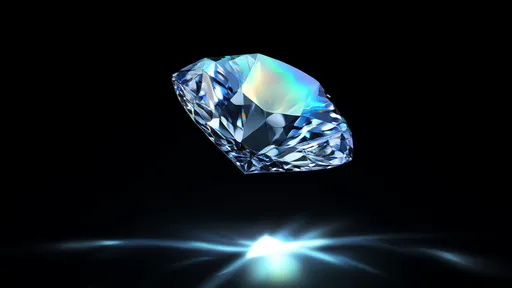
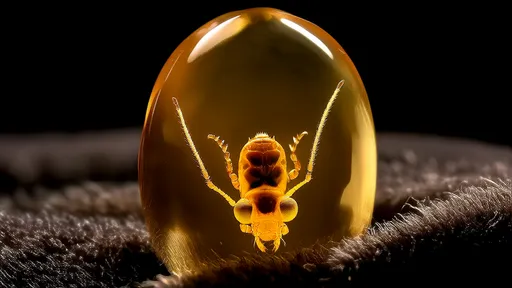
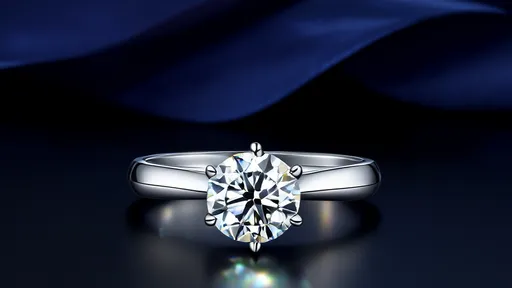
One of the key advantages of this technique is its ability to enhance the visibility of inclusions and internal characteristics in gemstones. By eliminating surface glare, photographers can capture the unique fingerprint of each stone, which is particularly valuable for appraisal or certification purposes. This level of detail is nearly impossible to achieve with standard lighting setups.
However, mastering circular polarizing light control isn’t without its challenges. Over-polarization can sometimes result in flat or lifeless images, stripping away the dynamic play of light that gives jewelry its allure. Experienced photographers often strike a balance, leaving just enough reflection to maintain the piece’s vibrancy while eliminating distractions. This nuanced approach separates amateur shots from professional-grade imagery.
Another consideration is the type of jewelry being photographed. While polarizers work exceptionally well for transparent or translucent gemstones like diamonds, sapphires, or emeralds, their effect on opaque metals like gold or silver may be less pronounced. In such cases, combining polarizing techniques with other lighting modifiers, such as reflectors or softboxes, can produce optimal results.
The post-processing stage also benefits from well-executed polarized shots. With fewer unwanted reflections to correct, editors can focus on enhancing colors, sharpening details, and adjusting contrasts without battling glare-induced artifacts. This streamlined workflow is a significant time-saver in high-volume commercial photography.
As technology advances, new tools are emerging to complement circular polarizing techniques. For example, some studios now employ polarized LED panels that can be adjusted in real-time, allowing for precise control over the intensity and angle of polarization. These innovations are pushing the boundaries of what’s possible in jewelry photography, enabling creators to achieve studio-quality results in less controlled environments.
For aspiring jewelry photographers, investing in a high-quality circular polarizing filter is a game-changer. While entry-level options exist, premium filters with multi-coatings offer better light transmission and color fidelity, ensuring that the final image remains true to the piece’s natural beauty. Pairing this with a sturdy tripod and a macro lens creates a formidable setup capable of capturing stunning detail.
Beyond technical execution, successful jewelry photography with polarized light requires an artistic eye. Understanding how light interacts with different materials, recognizing the perfect moment to capture a gem’s fire, and composing the shot to highlight the piece’s craftsmanship are all essential skills. The polarizer is merely a tool—the photographer’s vision brings the image to life.
In commercial applications, such as e-commerce or print catalogs, the clarity achieved through circular polarizing light control can directly impact sales. Consumers rely heavily on images to assess quality and craftsmanship, and professionally photographed jewelry instills confidence. This makes mastering polarization techniques not just an artistic pursuit but a business imperative for jewelers and photographers alike.
Workshops and tutorials on this specialized technique are becoming increasingly popular as demand for high-quality jewelry imagery grows. Many professional photographers emphasize the importance of hands-on practice, as the interplay between light, filter, and subject can vary dramatically depending on the specific piece and desired outcome.
Looking ahead, the marriage of traditional photographic techniques with emerging technologies like computational photography promises exciting developments in this field. Imagine AI-assisted polarization adjustments or real-time reflection analysis—these could soon become standard tools in a jewelry photographer’s arsenal.
Ultimately, circular polarizing light control represents the intersection of art and science in jewelry photography. It empowers photographers to reveal the hidden beauty of precious pieces while overcoming the technical challenges posed by their reflective nature. For those willing to invest the time to master it, the results can be truly dazzling.

By /Aug 19, 2025
By /Aug 19, 2025
By /Aug 19, 2025

By /Aug 19, 2025

By /Aug 19, 2025
By /Aug 19, 2025
By /Aug 19, 2025
By /Aug 19, 2025
By /Aug 19, 2025
By /Aug 19, 2025
By /Aug 19, 2025

By /Aug 19, 2025

By /Aug 19, 2025

By /Aug 19, 2025
By /Aug 19, 2025

By /Aug 19, 2025
By /Aug 19, 2025

By /Aug 19, 2025

By /Aug 19, 2025

By /Aug 19, 2025
