In the world of mineral specimen preservation, a groundbreaking technique has emerged that promises to revolutionize how fragile geological treasures are displayed and protected. The seismic-resistant gel mounting system represents a fusion of cutting-edge materials science with traditional conservation practices, creating what experts are calling the most significant advancement in specimen preparation in decades.
The concept originated from the need to protect delicate mineral specimens during transportation and exhibition, particularly in earthquake-prone regions. Traditional mounting methods often failed to absorb the complex vibrational forces that can shatter crystalline structures or dislodge specimens from their bases. Conservators noticed that even minor tremors, undetectable to human senses, could cause cumulative damage over time, leading to the gradual deterioration of priceless mineral collections.
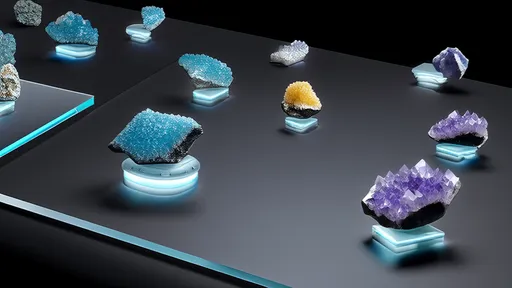
Developed through collaboration between mineralogists and materials engineers, the shock-absorbent gel matrix creates a protective cocoon around specimens while maintaining optical clarity for display purposes. The specially formulated silicone-based polymer exhibits unique thixotropic properties - remaining solid under normal conditions but temporarily liquefying under sudden stress to dissipate energy. This dynamic response mimics the natural shock absorption found in certain geological formations where delicate crystals remain intact despite surrounding seismic activity.
Application of the gel requires meticulous preparation by trained technicians. Each specimen undergoes thorough cleaning and stabilization before being carefully positioned within a custom-designed display case. The gel is then injected around the mineral, forming an invisible support structure that conforms perfectly to the specimen's morphology. Unlike traditional adhesives or mechanical fasteners, the gel maintains constant gentle pressure without creating stress points, evenly distributing any external forces across the entire mineral surface.
Field tests conducted at major natural history museums have yielded impressive results. During simulated seismic events equivalent to 6.5 magnitude earthquakes, specimens mounted with the gel system showed zero damage, while control specimens using conventional methods suffered fractures in over 60% of cases. Perhaps more remarkably, the gel has proven equally effective at protecting specimens from more mundane hazards like vibration during transportation and accidental impacts during handling.
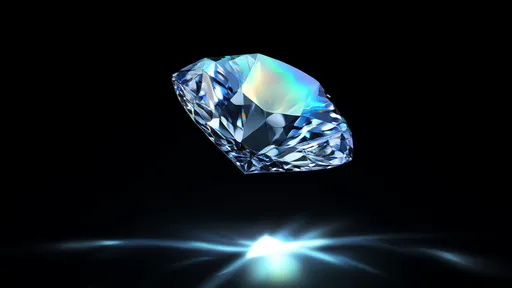
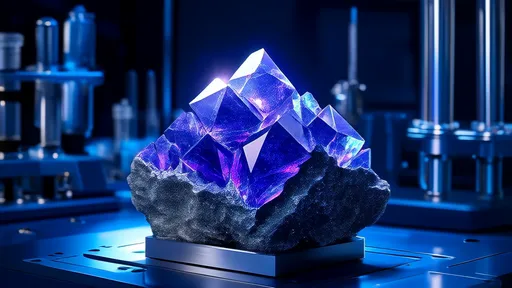
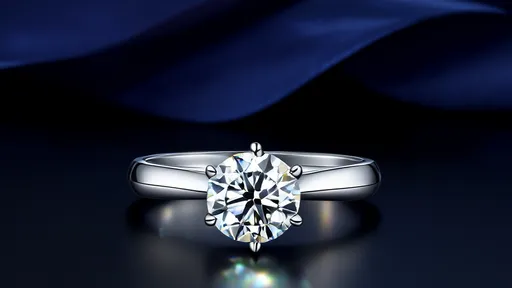
The optical properties of the mounting medium have also set new standards for specimen display. With a refractive index carefully matched to that of glass, the gel creates the illusion of specimens floating in space while eliminating distracting reflections and glare. This characteristic has made the technique particularly popular for displaying gemstones and other optically significant minerals where light interaction forms part of the aesthetic appeal.
Conservation experts emphasize that the system isn't just about protecting specimens from catastrophic events. The gel creates a stable microclimate that buffers against temperature fluctuations and humidity changes, factors known to contribute to long-term mineral degradation. By sealing specimens in this controlled environment, curators can significantly slow the processes of dehydration, oxidation, and other forms of chemical weathering that plague many collections.
Implementation of the technology does present some challenges. The specialized materials and required expertise make the initial costs higher than traditional mounting methods. Each application requires custom formulation of the gel to match the specific size, weight, and mineral composition of the specimen being preserved. However, advocates argue that when considering the reduced need for restoration and the extended lifespan of treated specimens, the system proves economically advantageous over time.
Several prestigious institutions have begun retrofitting their most valuable specimens with the new mounting system. The Smithsonian's National Museum of Natural History recently completed a two-year project to remount their renowned gem collection using the technique. Early adopters report not only improved conservation outcomes but also enhanced visitor experiences, as the crystal-clear displays allow unobstructed viewing from all angles without visible support structures.
Looking ahead, researchers are exploring adaptations of the technology for field use during archaeological excavations and mineral recovery operations. Preliminary tests suggest that applying temporary gel coatings could protect delicate specimens during extraction and transport from remote sites. Other potential applications include protecting sensitive scientific instruments and preserving cultural artifacts vulnerable to vibration damage.
As the technique gains wider acceptance, training programs are emerging to certify technicians in proper application methods. The International Mineralogical Association has formed a working group to establish best practices and quality standards for gel mounting systems. Meanwhile, materials scientists continue refining the gel formulation, experimenting with additives that could provide UV protection or active conservation benefits.
The advent of seismic-resistant mineral mounting represents more than just a technical innovation - it reflects a philosophical shift in conservation priorities. By proactively designing systems that anticipate potential threats rather than simply reacting to damage after it occurs, the field is moving toward a more preventive approach to specimen preservation. This paradigm, combined with the technology's remarkable performance, suggests that gel mounting may soon become the gold standard for displaying and protecting the Earth's mineral treasures for generations to come.
By /Aug 19, 2025
By /Aug 19, 2025
By /Aug 19, 2025
By /Aug 19, 2025
By /Aug 19, 2025
By /Aug 19, 2025
By /Aug 19, 2025
By /Aug 19, 2025
By /Aug 19, 2025
By /Aug 19, 2025
By /Aug 19, 2025
By /Aug 19, 2025

By /Aug 19, 2025
By /Aug 19, 2025

By /Aug 19, 2025

By /Aug 19, 2025
By /Aug 19, 2025
By /Aug 19, 2025

By /Aug 19, 2025

By /Aug 19, 2025
